Category: Clothing & Fashion

  • Lessons Learned from Years with

    Understanding the Role of a General Contractor

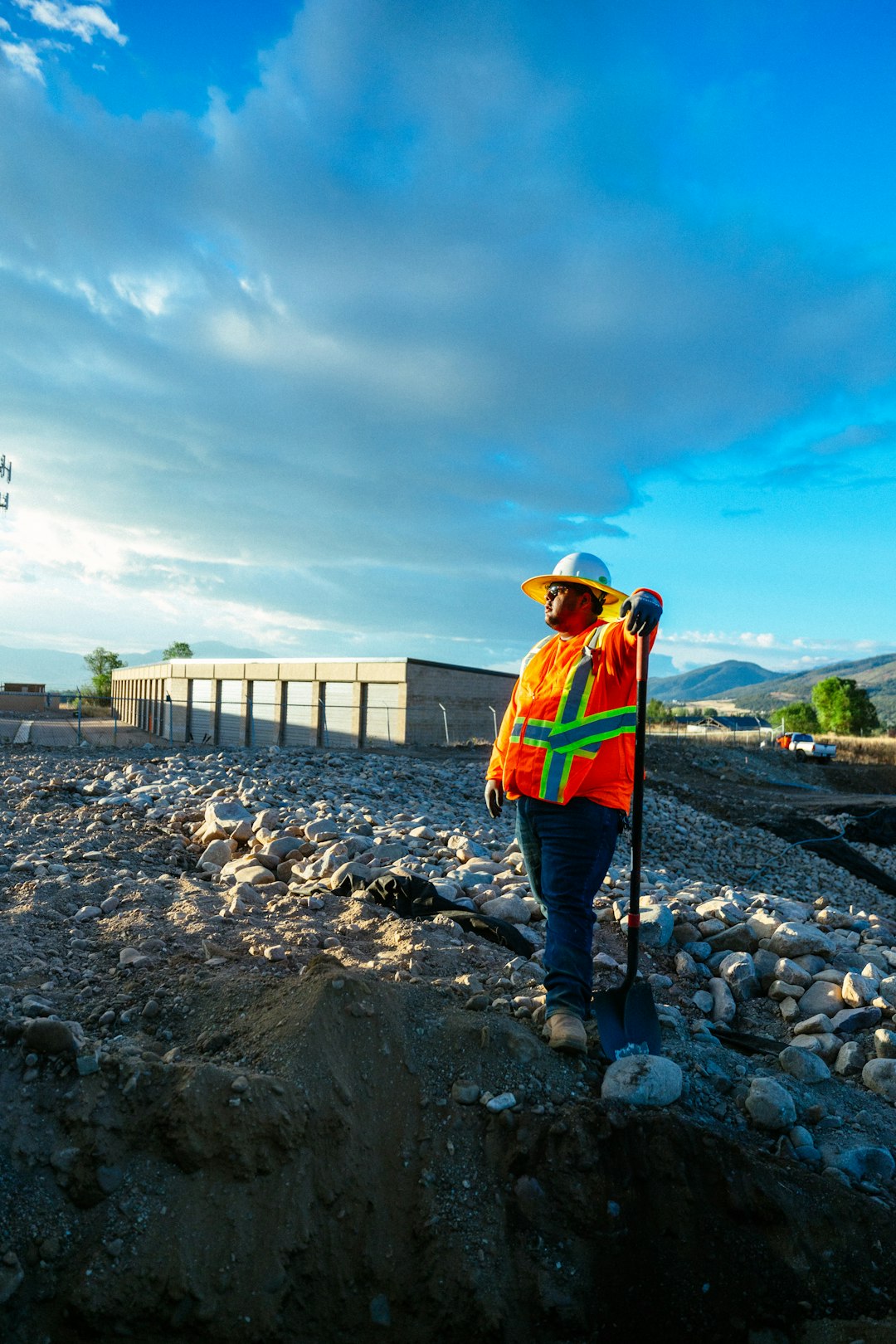
    A general contractor (GC) plays a pivotal role in the construction industry, acting as the primary point of contact between clients and subcontractors throughout a project. Their responsibilities encompass a wide array of tasks, from managing budgets and timelines to ensuring quality and safety standards are upheld. This article will delve into the intricacies of what a general contractor does, the benefits of hiring one, and how to select the right GC for your construction project.

    At its core, a general contractor coordinates all aspects of a construction project. They are responsible for hiring skilled subcontractors, such as electricians, plumbers, and carpenters, to execute specific tasks. Beyond managing people, GCs oversee procurement of necessary materials and solutions. Moreover, they ensure that each segment of the project aligns with local building codes and regulations, thus safeguarding the integrity of the construction process. Overall, GCs act as the project managers, facilitating communication and resolving any issues that arise.

    Hiring a general contractor can bring several benefits to a construction project. Firstly, their expertise in project management significantly enhances efficiency. With experience in scheduling and resource allocation, GCs can streamline workflows and minimize delays. Secondly, a GC’s comprehensive knowledge helps prevent cost overruns by accurately estimating costs and staying within budget. Additionally, general contractors have established relationships with suppliers and subcontractors, which can lead to better pricing and availability of materials and services.

    When it comes to selecting the right general contractor for your needs, a few key considerations should guide your decision. Start by researching and obtaining recommendations from friends, family, or online reviews. Ensure the contractors you’re considering are licensed and insured, as this will protect you from liability. It’s also wise to interview multiple candidates, asking about their experience with similar projects, approach to problem-solving, and communication style. Finally, request detailed bids to compare costs and understand what each contractor is proposing.

    In conclusion, a general contractor is crucial to the success of any construction endeavor. They provide expert management and ensure that projects are completed on time and within budget. By understanding the role of a GC and taking careful steps in the selection process, clients can position themselves for a smooth and successful construction experience. Whether you’re planning a small renovation or a large-scale commercial project, the right general contractor can make all the difference.

    On : My Rationale Explained

    Incredible Lessons I’ve Learned About

  • : 10 Mistakes that Most People Make

    Choosing the Best Beside the Press Granulator: A Key Decision for Efficient Plastic Processing

    In the plastic manufacturing industry, efficiency, precision, and waste reduction are vital to maintaining productivity and profitability. Among the many pieces of equipment used in this sector, the *beside the press granulator* plays a crucial role in streamlining operations and ensuring the recycling of scrap material. Selecting the best granulator for your specific needs is not a decision to take lightly. It affects everything from energy consumption and output quality to downtime and maintenance costs.

    A beside the press granulator is designed to sit next to injection molding machines, thermoforming units, or other plastic processing equipment. Its primary function is to immediately grind scrap parts or runners into reusable granules, which can then be fed back into the production process. This capability not only reduces material waste but also enhances overall production efficiency. However, not all granulators are created equal, and choosing the right one requires a clear understanding of your processing environment and operational demands.

    One of the first considerations in selecting a beside the press granulator is the type and volume of plastic waste your facility generates. Materials such as polypropylene, polyethylene, or ABS each behave differently during grinding, and some granulators are better equipped to handle certain materials. Similarly, if your production involves thick-walled parts or high volumes of scrap, you’ll need a granulator with robust cutting power and a strong motor. In contrast, smaller-scale operations may benefit from compact models with quieter operation and lower energy consumption.

    Durability and build quality are also key aspects. A well-constructed granulator with hardened steel blades and a solid frame can withstand the wear and tear of daily use, ensuring consistent performance over time. Blade sharpness and cutting chamber design play a significant role in producing uniform, high-quality granules. Models that offer easy blade adjustment and quick access for cleaning and maintenance can drastically reduce downtime and improve operator efficiency.

    Safety and ease of use are equally important. Modern beside the press granulators often come with built-in safety interlocks, noise-reducing enclosures, and intuitive control panels. These features not only protect workers but also contribute to smoother, error-free operation. Choosing a user-friendly model can also ease the training process for new operators, allowing for quicker onboarding and reducing the risk of mishandling the machine.

    Another essential factor is integration with existing machinery. A good granulator should fit seamlessly into your workflow without requiring extensive reconfiguration of your production floor. Some models are designed to operate in sync with molding cycles, offering real-time granulation and return of material. The ability to customize discharge options, hopper configurations, and control interfaces can further enhance compatibility and flexibility.

    Cost is inevitably a consideration, but it’s important to weigh upfront price against long-term value. A cheaper unit may save money initially but could lead to higher costs down the line due to frequent breakdowns, poor granule quality, or inefficiency. Investing in a high-quality granulator from a reputable manufacturer often pays off in reliability, performance, and reduced total cost of ownership.

    In conclusion, choosing the best beside the press granulator is a strategic decision that can significantly impact your production efficiency and material recovery. By considering material type, throughput, durability, safety, and integration needs, manufacturers can select a granulator that delivers reliable performance and long-term value. With the right equipment in place, plastic processors can minimize waste, optimize output, and maintain a competitive edge in an increasingly demanding market.

    Why People Think Are A Good Idea

    – My Most Valuable Advice

  • How to Achieve Maximum Success with

    The Importance of Pipeline Coating Companies in Ensuring Safe and Efficient Oil and Gas Transportation

    Pipeline coating companies play a crucial role in the oil and gas industry, as they provide a vital layer of protection to pipelines that transport crude oil, natural gas, and other hazardous materials. The coating process involves applying a protective layer to the pipeline to prevent corrosion, reduce friction, and ensure the safe and efficient transportation of these valuable resources. In this article, we will explore the importance of pipeline coating companies and the benefits they provide to the oil and gas industry.

    1. Corrosion Prevention

    Corrosion is a major concern in the oil and gas industry, as it can lead to pipeline failure, resulting in costly repairs, environmental damage, and even loss of life. Pipeline coating companies use specialized coatings to prevent corrosion by creating a barrier between the pipeline and the surrounding environment. These coatings can be made from a variety of materials, including polyethylene, polypropylene, and epoxy, each with its own unique properties and benefits.

    2. Friction Reduction

    Friction is another major issue in pipeline transportation, as it can cause pipes to wear down and become damaged over time. Pipeline coating companies use specialized coatings to reduce friction, allowing pipes to flow more smoothly and efficiently. This not only reduces the risk of pipeline failure but also increases the overall efficiency of the transportation process.

    3. Environmental Protection

    Pipeline coating companies also play a critical role in protecting the environment. By applying a protective coating to the pipeline, they help to prevent leaks and spills, which can have devastating effects on the environment. This is especially important in areas where pipelines pass through sensitive ecosystems or populated areas.

    4. Cost Savings

    In addition to the environmental benefits, pipeline coating companies can also help to reduce costs for oil and gas companies. By preventing corrosion and reducing friction, these companies can help to extend the lifespan of pipelines, reducing the need for costly repairs and replacements. This can also help to reduce the risk of pipeline failure, which can result in costly downtime and lost revenue.

    5. Compliance with Regulations

    Pipeline coating companies must comply with a variety of regulations and standards, including those set by the Pipeline and Hazardous Materials Safety Administration (PHMSA) and the American Petroleum Institute (API). These regulations require pipelines to be coated with a specific type of coating, and pipeline coating companies must ensure that their coatings meet these standards.

    6. Customized Solutions

    Pipeline coating companies offer customized solutions to meet the unique needs of each oil and gas company. They work closely with clients to understand their specific requirements and develop a coating solution that meets those needs. This may involve applying a specialized coating to a specific section of pipeline or developing a custom coating formula to meet the unique demands of a particular project.

    7. Expertise and Experience

    Pipeline coating companies have extensive expertise and experience in the field of pipeline coating. They have developed specialized techniques and technologies to ensure that their coatings meet the highest standards of quality and performance. This expertise is critical in ensuring the safe and efficient transportation of oil and gas.

    8. Quality Control

    Pipeline coating companies are committed to quality control, ensuring that their coatings meet the highest standards of quality and performance. They use a variety of testing methods to ensure that their coatings are free from defects and meet the required specifications. This includes testing for adhesion, flexibility, and resistance to corrosion and abrasion.

    9. Maintenance and Repair

    Pipeline coating companies also offer maintenance and repair services to ensure that pipelines remain in good condition over time. This may involve applying additional coatings to worn or damaged sections of pipeline, or repairing cracks and other damage. By providing these services, pipeline coating companies can help to extend the lifespan of pipelines and reduce the risk of failure.

    10. Future of Pipeline Coating

    The future of pipeline coating is likely to involve the development of new and innovative technologies. Pipeline coating companies are already exploring the use of advanced materials and coatings, such as nanomaterials and graphene, to improve the performance and durability of their coatings. They are also working to develop coatings that can be applied in challenging environments, such as high-temperature or high-pressure conditions.

    In conclusion, pipeline coating companies play a critical role in the oil and gas industry, providing a vital layer of protection to pipelines that transport crude oil, natural gas, and other hazardous materials. By preventing corrosion, reducing friction, and ensuring the safe and efficient transportation of these valuable resources, pipeline coating companies help to reduce costs, protect the environment, and ensure compliance with regulations. As the industry continues to evolve, pipeline coating companies will play an increasingly important role in ensuring the safe and efficient transportation of oil and gas.

    Discovering The Truth About

    Finding Parallels Between and Life